From the Director's Desk

This post was originally published on Facebook on May 23, 2026.

From the Director's Desk:

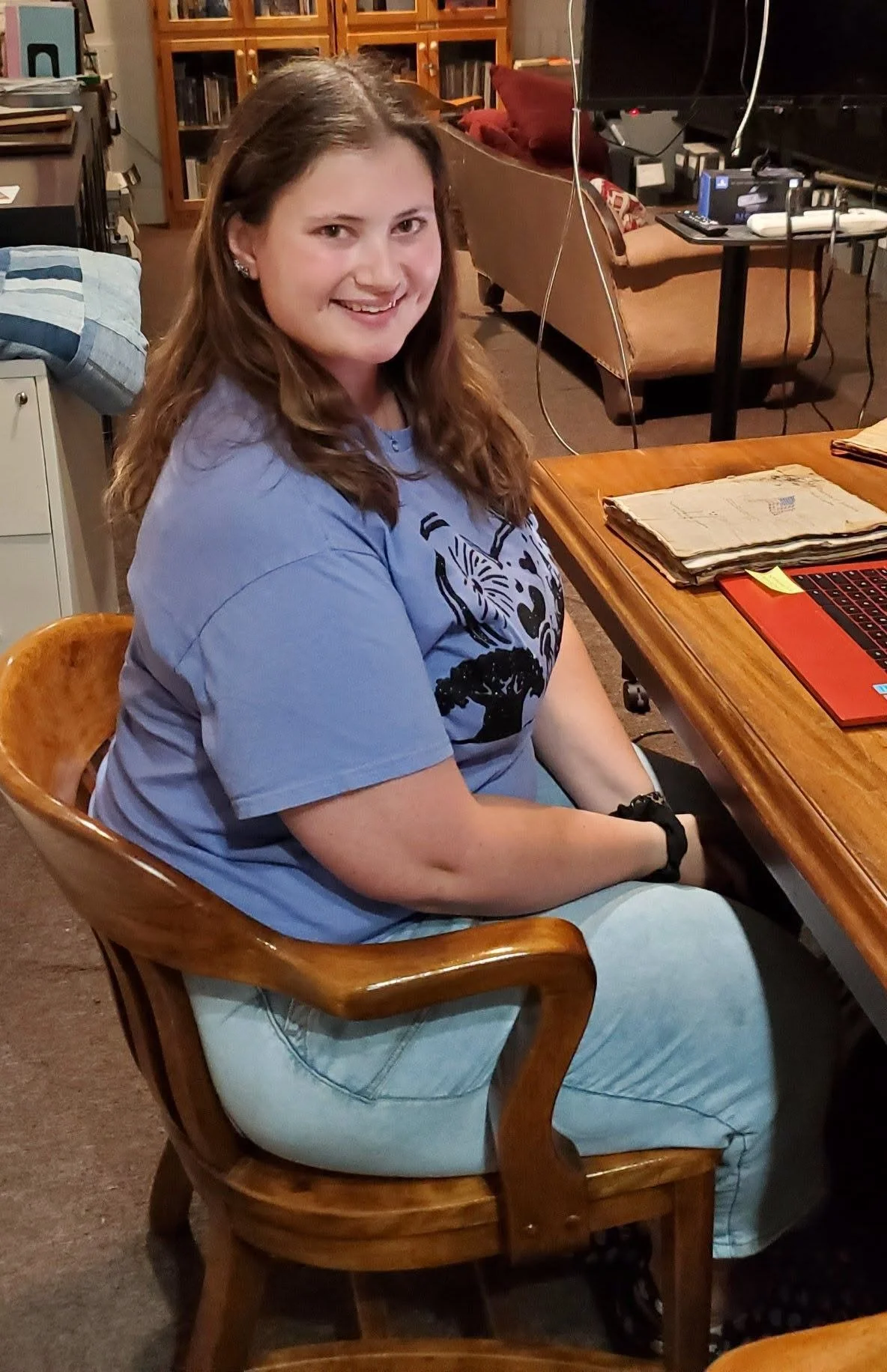
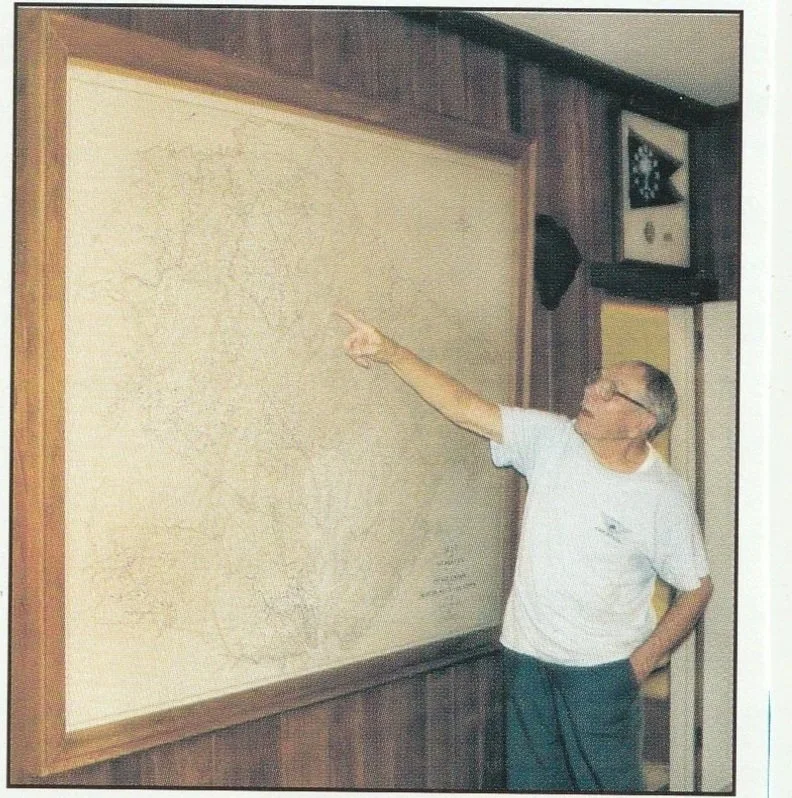
Former director Michael Coker welcomes current director Chelsy Proper to the Museum family in 2019.

Happy Saturday, y'all! Today marks my 7th anniversary at the Berkeley County Museum. (Technically I started in April 2019, but May 23 is the day I was officially on my own.) Thank you to the Museum Board, my coworker and volunteers, my colleagues in local history and tourism, and, most importantly, YOU: the Museum supporters and community members who love our history as much as I do.

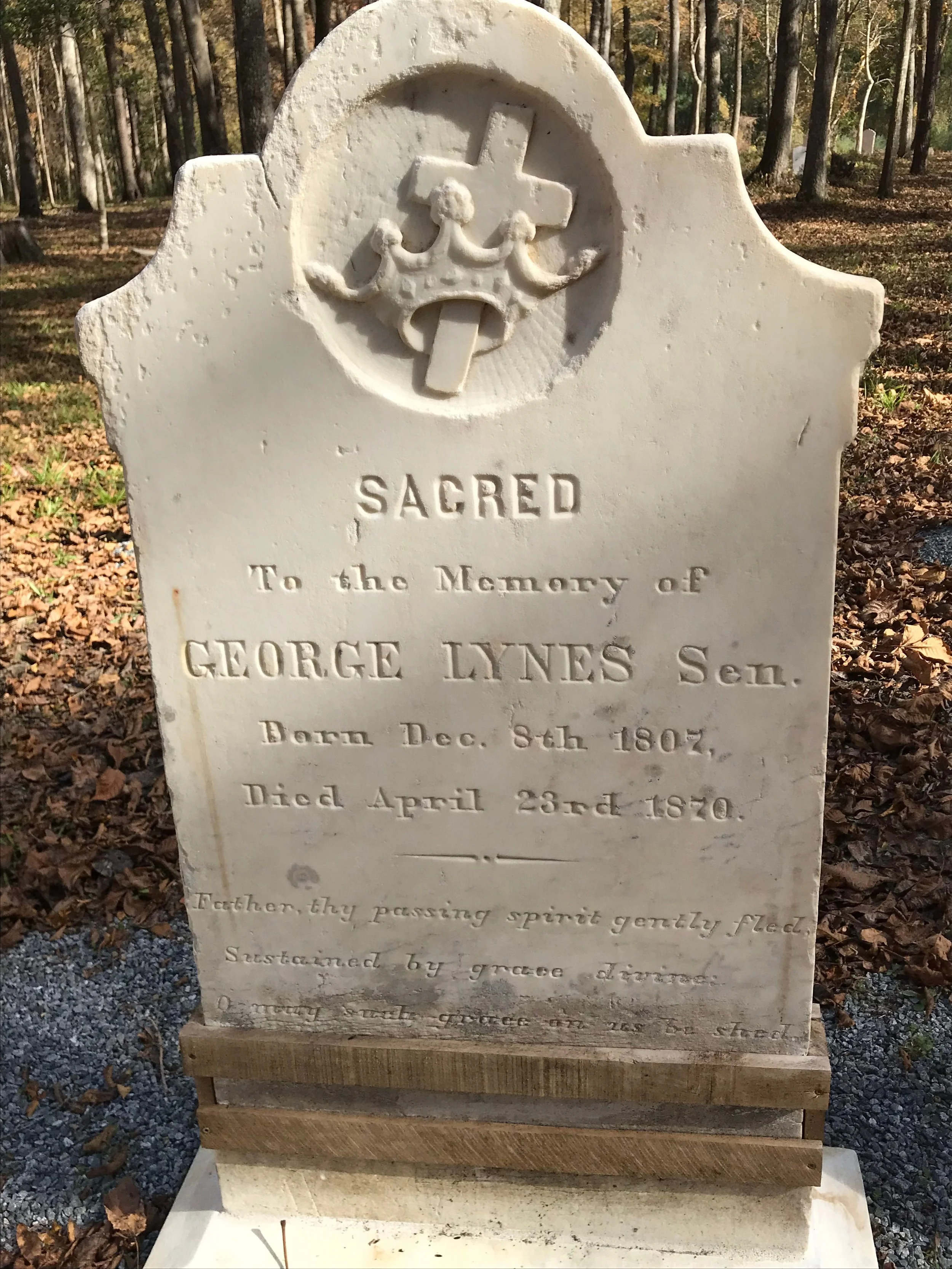
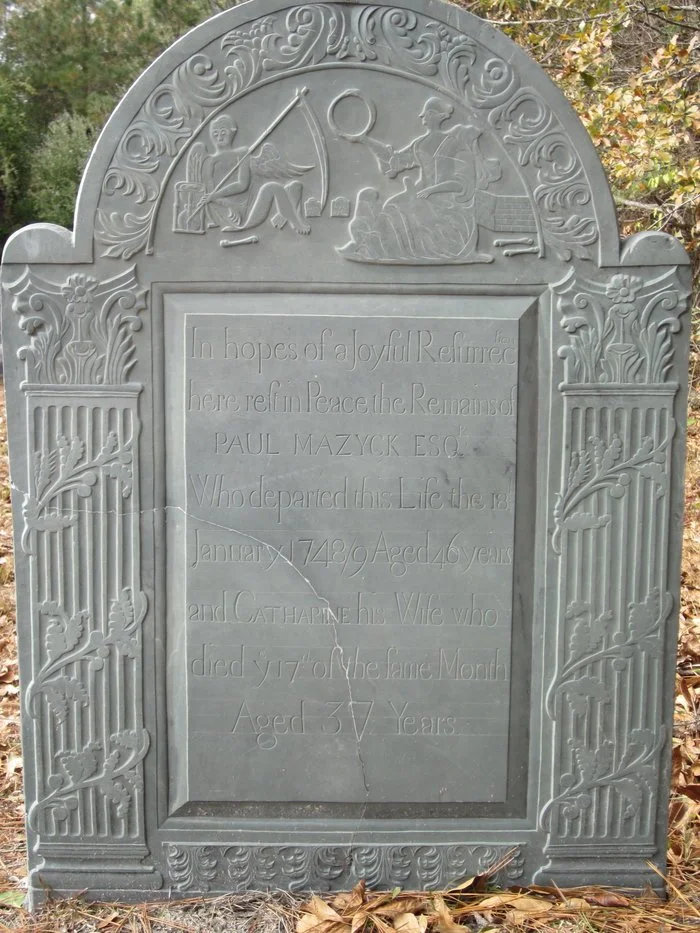
In the last 7 years, I've seen the Museum grow by leaps and bounds. From 2019's Pirate Festival to 2022's opening of Fort Fair Lawn to this past February's Revolutionary Berkeley Day, I've seen the community come out to our events and support us again and again. One of my favorite exhibits has been "Lowcountry Mourning in the Progressive Era," and judging by the compliments we received on it, y'all love it too! (Maybe it'll make a reappearance this fall....) I also love our state-of-the-art Revolutionary War kiosk, especially when I get to share the Revolutionary history of the neighborhoods of local students.

Again, thank you. Here's to 7 years and then 7 more!

National Iced Tea Day

Today is National Iced Tea Day. Pictured here is one of 6 tea plants recently added to the Museum gardens.

Though tea was consumed locally in the 17th and 18th century, it was mostly imported; Native Americans consumed caffeinated tea-like drinks made from yaupon, and this "Carolina tea" was eventually (and briefly) adopted by the white colonists.

French botanist Francois Andre Michaux first planted Camellia sinensis in the Lowcountry in 1799. (If you're familiar with the area around the Charleston International Airport, his name may ring a bell!) This tea did well but was generally unpopular because the flavor was different than the usual bohea or green teas.

Dr. Junius Smith started a commercial tea farm in Greenville in 1848, but it only lasted a few years because of his untimely death. Other tea farms came and went through the following decades. In 1893, Pinehurst Plantation in Summerville plucked its first native-grown tea. Pinehurst flourished until 1915.

In the 1960s, Lipton Tea Company took root cuttings from the former Pinehurst site and started new farms in Summerville and on Wadmalaw Island. In 2003 the Wadmalaw farm was purchased by Bigelow, who still own and operate Charleston Tea Garden today. The American Black Tea grown there is the only commercially-sold tea grown in the United States.

Since 1995, iced tea has been the official Hospitality Beverage of South Carolina.